CH.01Get started
Book an assessment
Tell us who is being tested and we will confirm a slot. Individual athletes, whole squads and academy partnerships all start here.
Request a slot
Request received
Thanks. Your request has reached us and a confirmation is on its way to your inbox. You will hear back within one working day to confirm a slot.
Nothing in your inbox after a few minutes? Check spam, or write to info@tipsperformance.com.
CH.02Common questions
Questions we get asked
What is sports performance testing?+
It is the measurement of the physical qualities that decide how an athlete moves: how much force they produce, how fast they produce it, how evenly it is shared between left and right, and how quickly they cover ground. It is done on calibrated instruments under a fixed protocol so the same test run three months later means something. It replaces estimates with values.
Who is the TIPS Method designed for?+
Football players who want to develop physically with evidence rather than assumption, from committed youth athletes through to senior players. It also serves the people around them: coaches who need something objective to plan and select with, families who want to see progress, and academies that need to track a group across seasons.
How often are athletes assessed?+
Three times in a season. A baseline in pre-season, a mid-season assessment that checks whether the training block worked, and an end-of-season evaluation that sets up the following year. Three points is the minimum that shows a direction rather than a snapshot, and more than that starts costing more training time than it returns.
Do you work directly with football academies?+
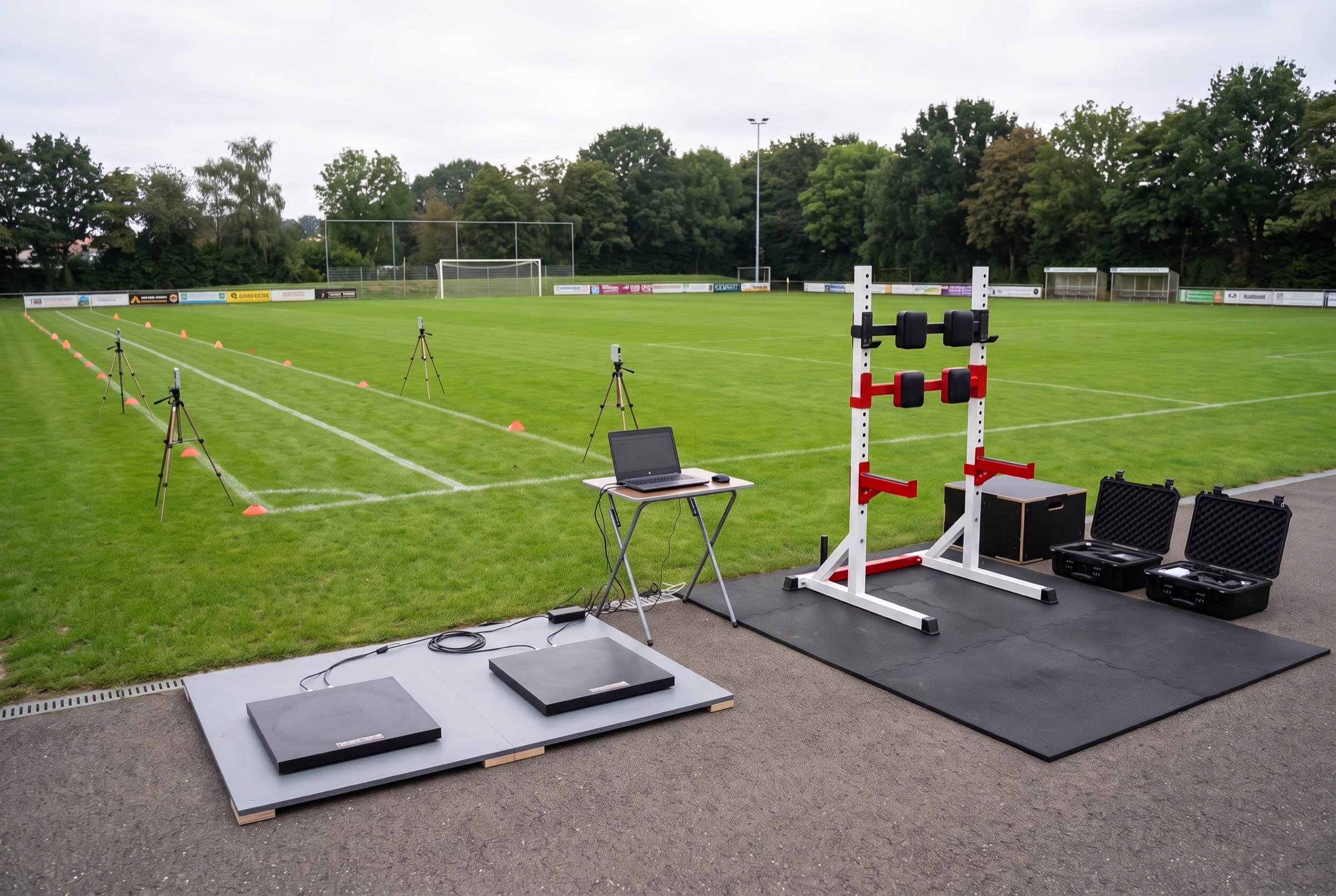
Yes, and it is how most of our work is delivered. We bring all three systems to your facility, run a squad of twenty inside half a training session, and return individual and squad reports within 48 hours, followed by a debrief with your staff. Most partnerships start with one age group before expanding.
Do parents receive performance reports?+
Yes. Families receive the same report as the athlete and the coach, three times a season, written for non-specialists with a plain language summary first and the underlying values after it. Where a quality has not improved, the report says so and states what changes in the program.
What makes TIPS different from traditional athletic training?+
Traditional programs are built on experience and progressed on how sessions felt. TIPS starts by measuring, names one quality as the limiter, builds the block around that quality, then re-tests to find out whether the decision was right. The loop can prove itself wrong, which is the part that makes it useful.
Elite performance doesn't happen by accident
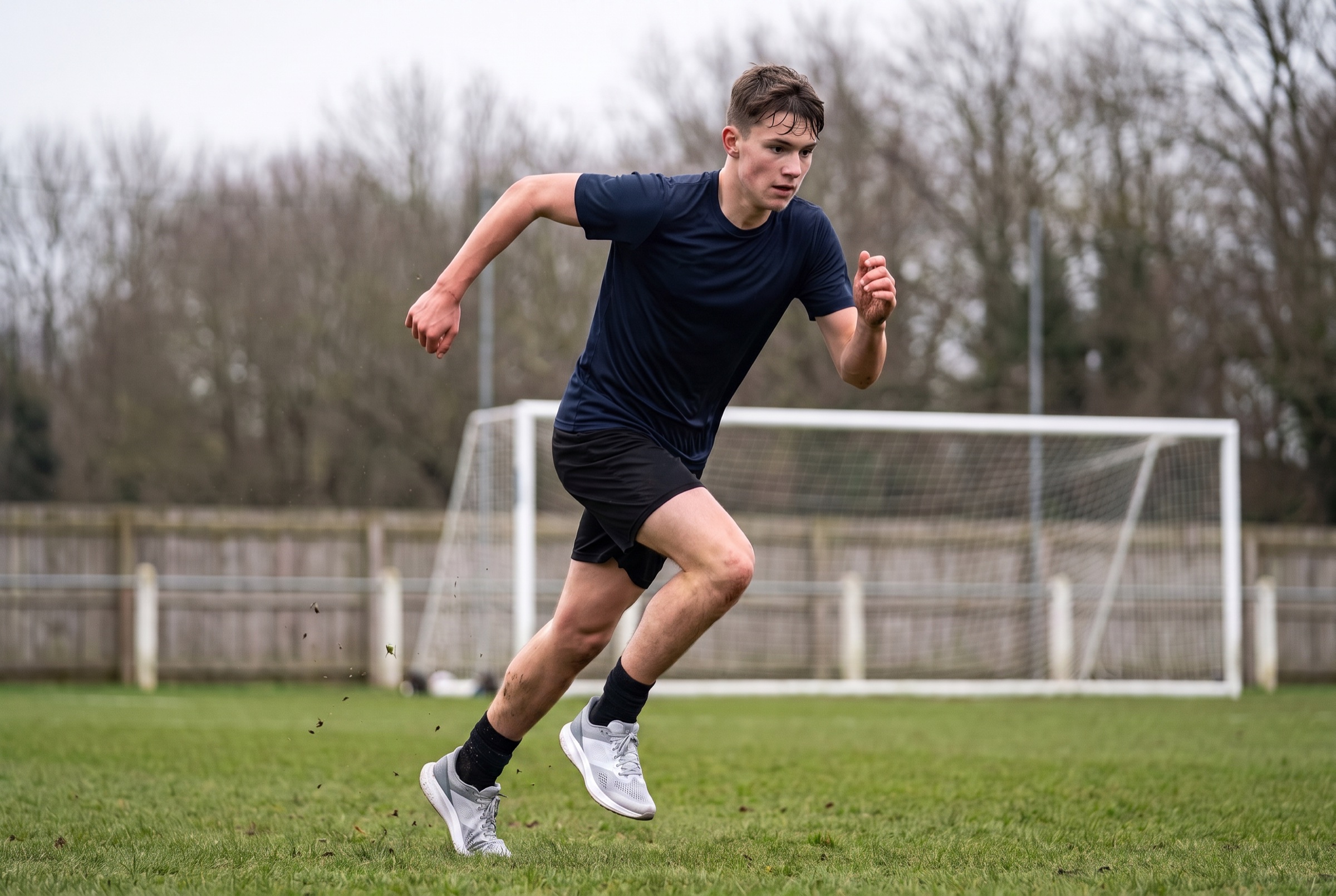
It is measured, it is monitored and it is developed. Start with a baseline and build from a number instead of a feeling.