CH.01Sports science
Evidence-based athlete development
Eleven qualities, measured the same way three times a season. Every recommendation TIPS makes points back to one of them.
Objective measurement replaces subjective opinion.
An experienced coach can see that a player looks slower. What an eye cannot do is say by how much, on which side, in which phase of the movement, or whether the change is real or just a bad Tuesday.
That is the entire argument for testing. Not that judgement is worthless, but that judgement plus a number is a far better decision than judgement alone.
CH.02What gets measured
Eleven qualities, tracked across the season
Select a quality to see a representative athlete profile across three seasonal assessments.
Explosive power
W/kg / higher is better
Power relative to body mass. The single best summary of how much an athlete can do per kilogram they carry. It rises with strength work and falls with unmanaged load, which makes it a fast read on whether a block is working.
CH.03Decision chain
How a recommendation gets made
Four links. If any one of them is missing, it is an opinion, and we say so.
01
Measure
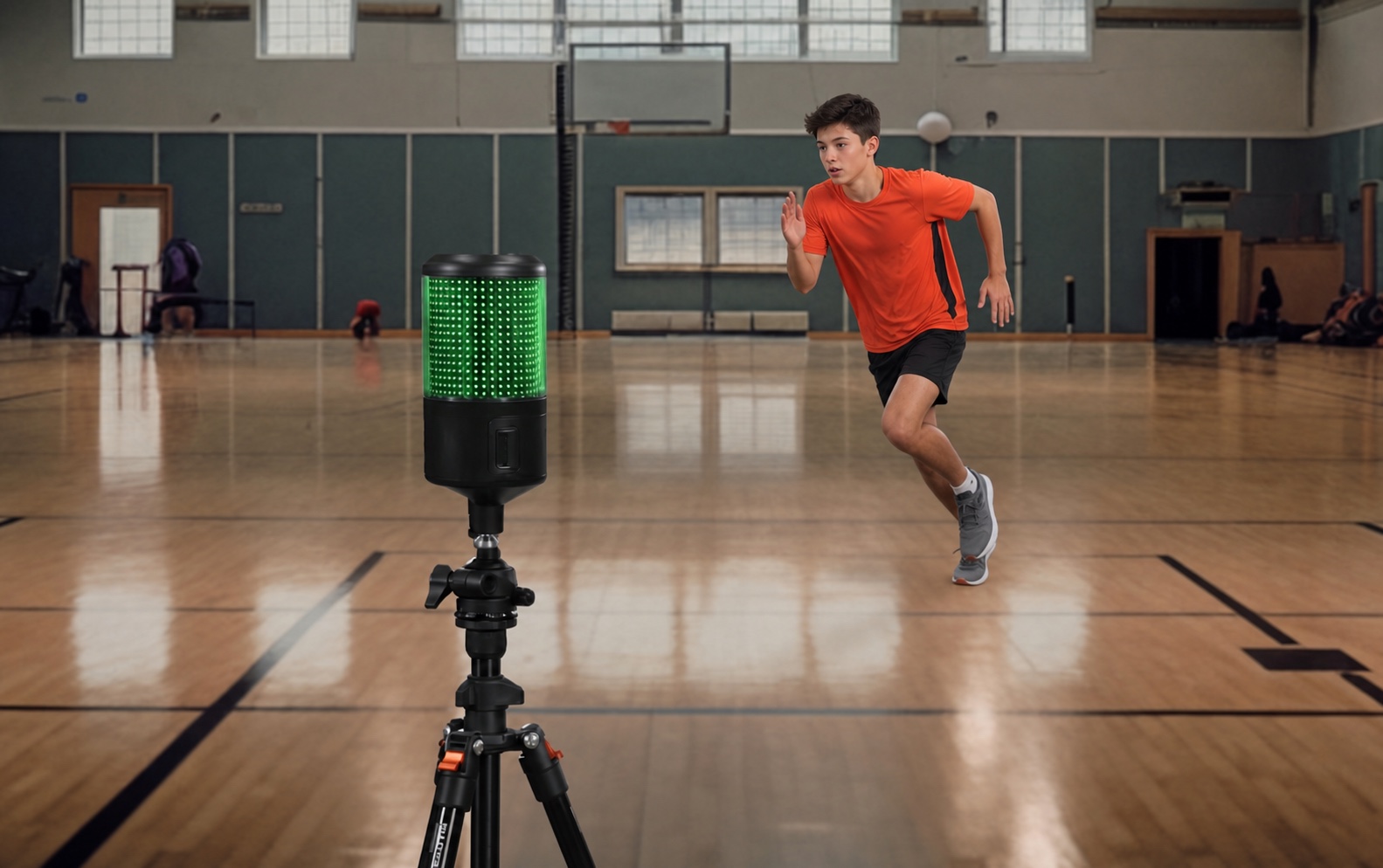
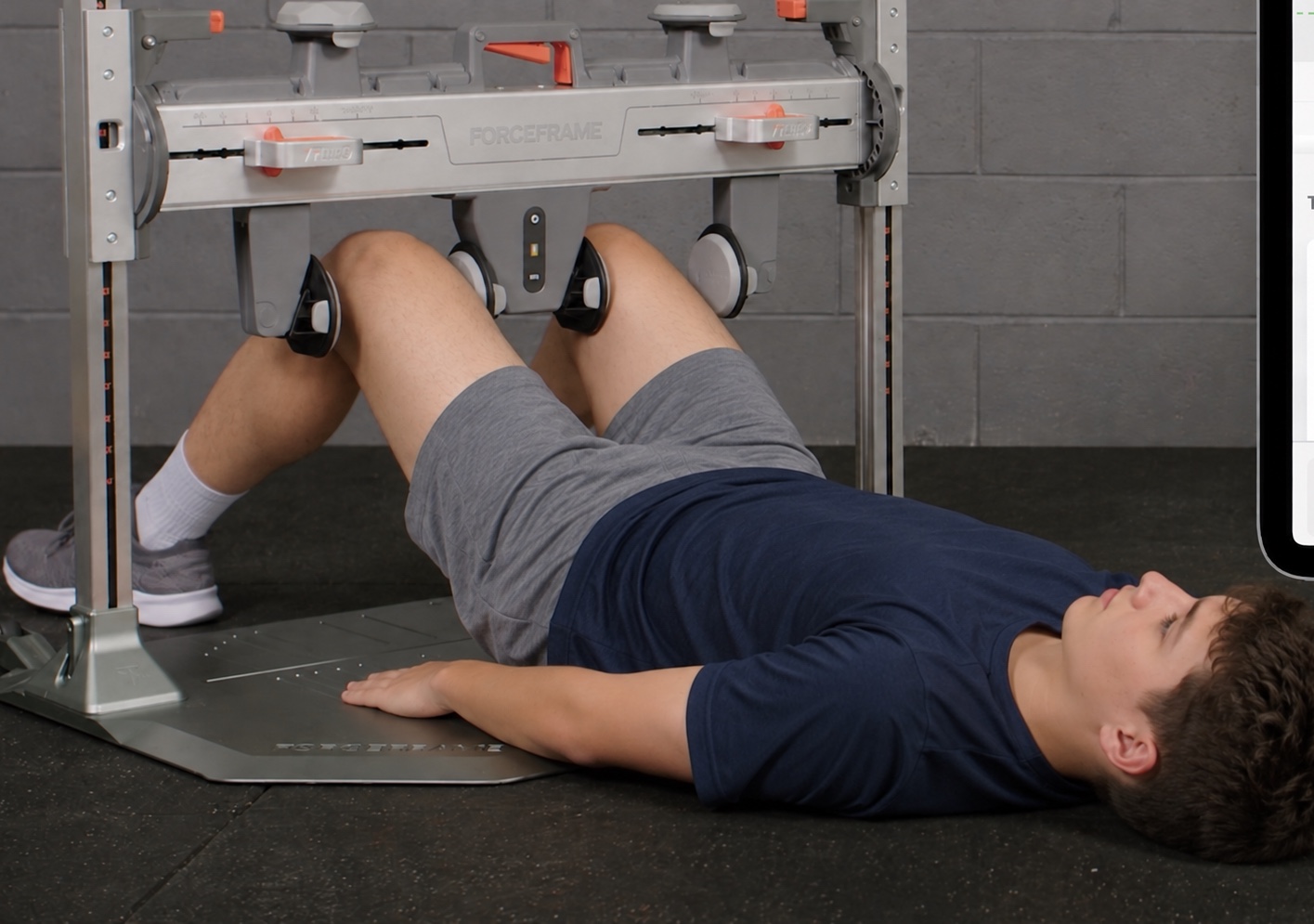
The quality is recorded under a fixed protocol, on calibrated instruments, at a known sampling rate.
02
Compare
The value is placed against the athlete's own history first, then against the squad and age-group range.
03
Prioritize
One quality is named as the limiter for the coming block. Chasing all eleven at once changes none of them.
04
Verify
The next assessment either confirms the decision or overturns it. Both outcomes are useful and both are reported.
Every instrument returns a slightly different number when the same athlete repeats the same test on a different day. Until a change is bigger than that wobble, it is the equipment talking, not the athlete. The band is measured per test and per athlete, which is why a fixed ten percent rule is the wrong tool: in youth athletes the band is sometimes wider than ten percent, and sometimes half of it.
What a number cannot do
Data does not pick a team, read a game or replace a coach. A force plate has no opinion on whether a midfielder should press.
What it does is remove the guesswork from the physical side of development, so the coaching conversation starts from facts instead of from impressions. Every recommendation TIPS makes is driven by measurable data, and every one of them is falsifiable at the next re-test.
Find out where the limiter is
One session produces all eleven qualities and names the one worth training first.