The upper rail of a ForceFrame with its load cell pads and adjustment knobs, an athlete's knees against the pads

CH.01Instrumentation

Performance technology

Three systems, used in every assessment. Force production, strength profiling and speed analysis, on the same equipment elite sport uses.

Systems in the battery
3
Sampling rate
1000 Hz
Metrics captured
18
Setup on site
Portable

System 01Force plates

ForceDecks

The gold standard for measuring lower-body power, explosiveness and movement efficiency. A pair of plates records the whole jump a thousand times a second, so the shape of the movement is visible, not just the result.

Countermovement jump (CMJ)
Height, cm
Reactive strength index (RSI)
Ratio
Explosive power
W/kg
Landing mechanics
Impact profile
Bilateral force asymmetry
% difference
Force production
Newtons

Two plates instead of one is the whole point. A single plate gives a total. Two give left and right.
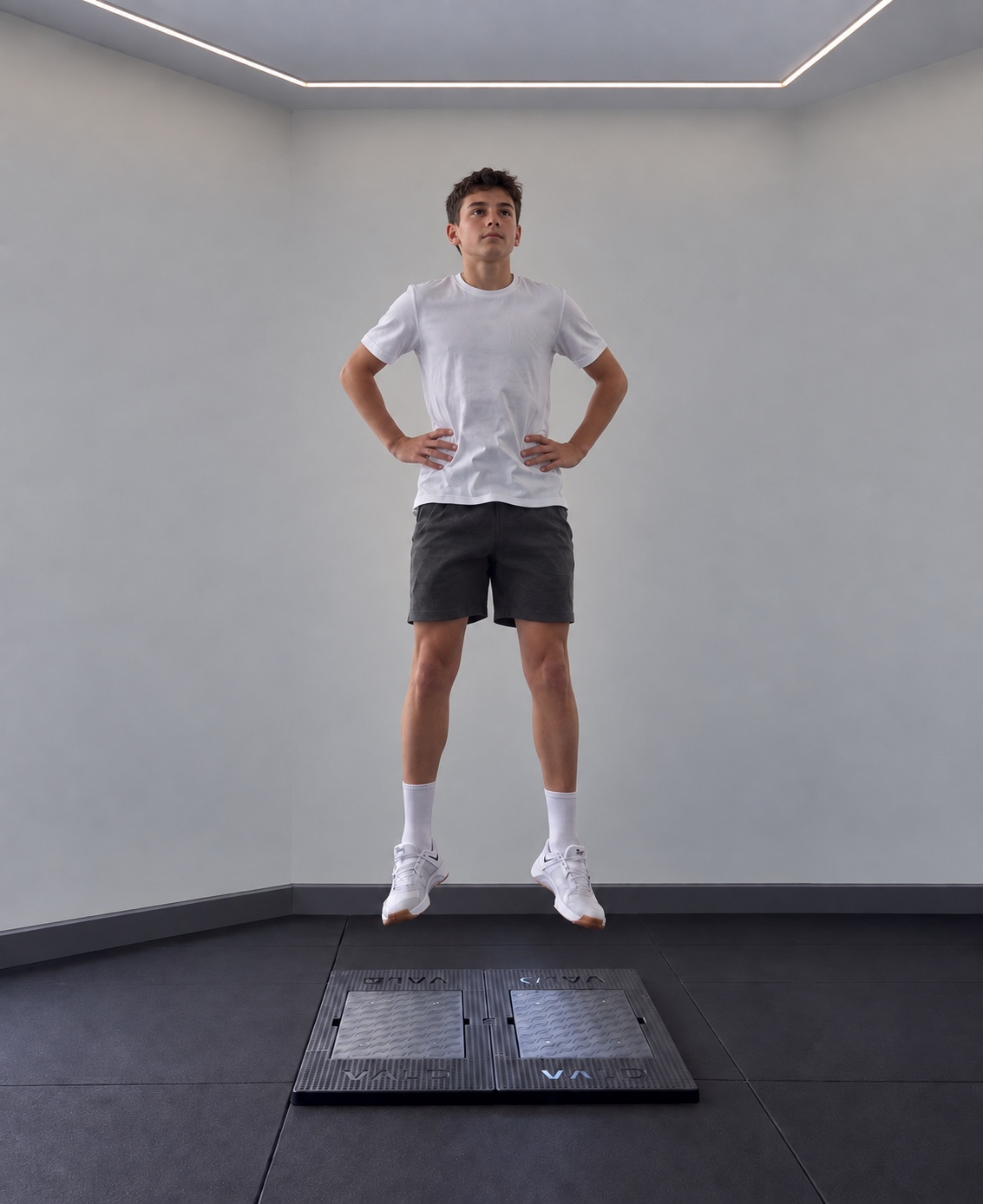
A youth athlete airborne above dual force plates with hands on hips during a countermovement jump
Countermovement jump, flight phase ForceDecks
System 02Strength frame

ForceFrame

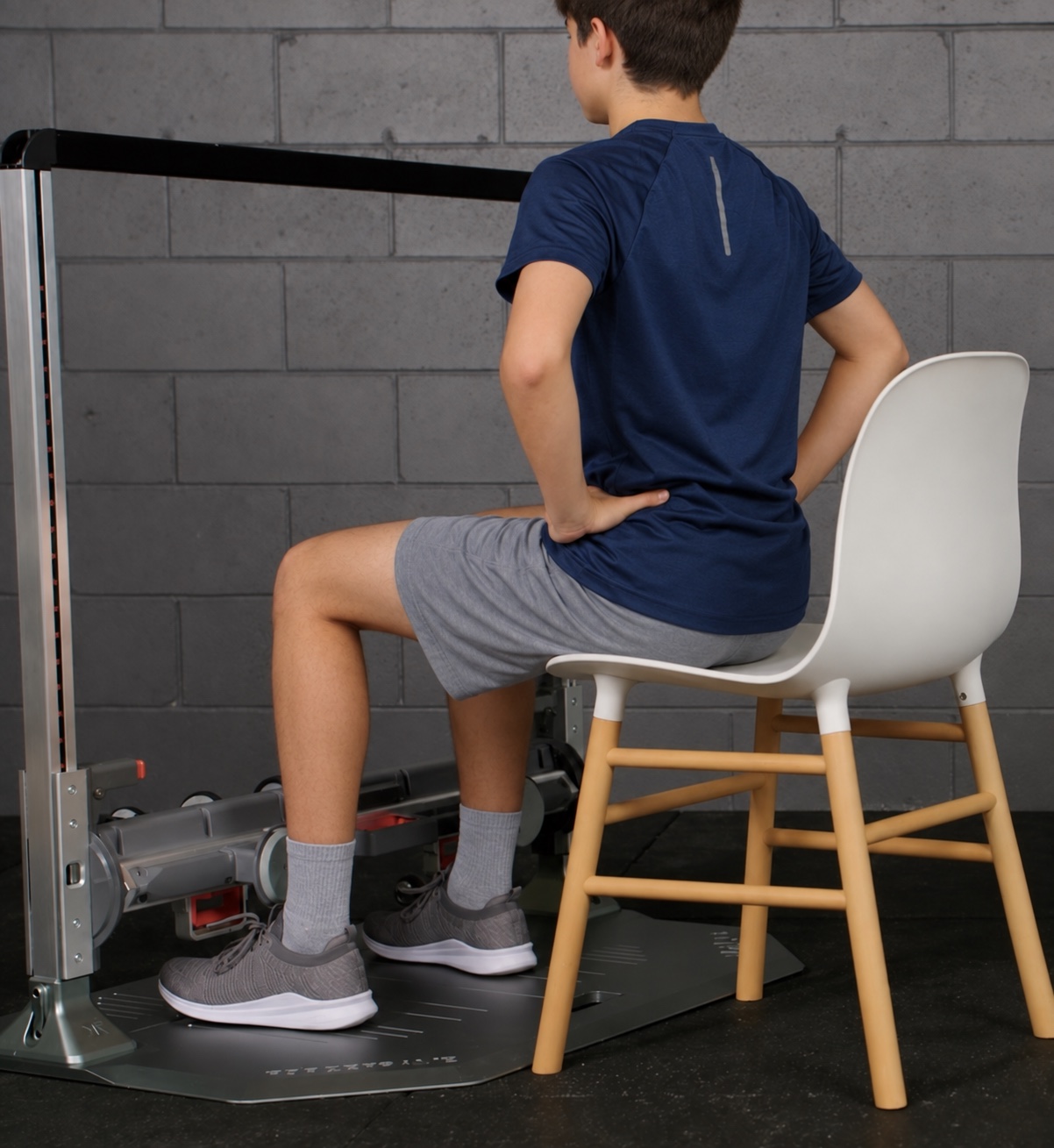
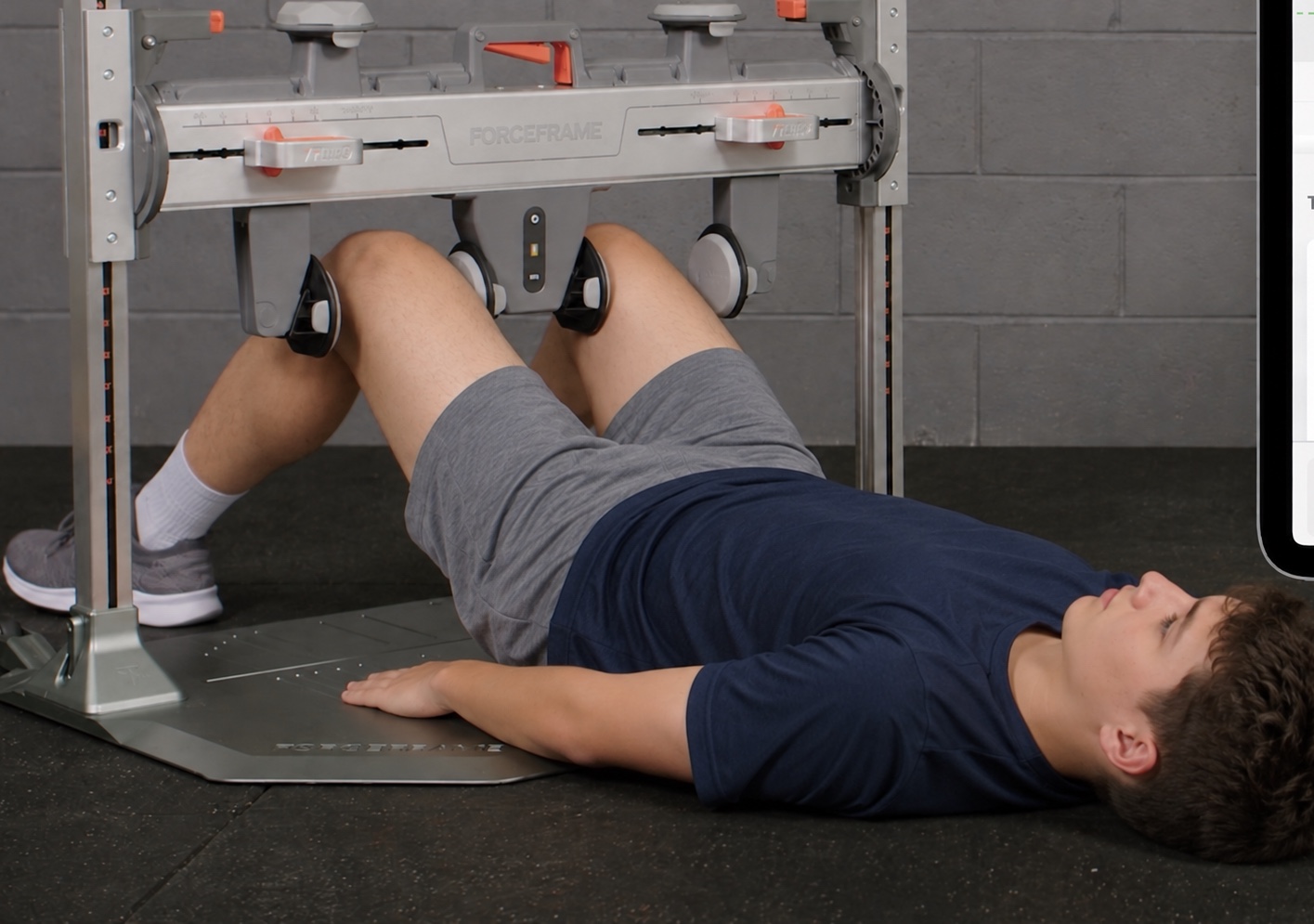
Provides objective insight into lower-limb strength profiles and highlights opportunities for targeted athletic development. Isometric testing removes technique and momentum from the result, so what is left is force.

Hip adduction strength
Newtons
Hip abduction strength
Newtons
Knee extension strength
Newtons
Knee flexion strength
Newtons
Isometric force
Peak, N
Lower limb strength balance
Ratio, L:R

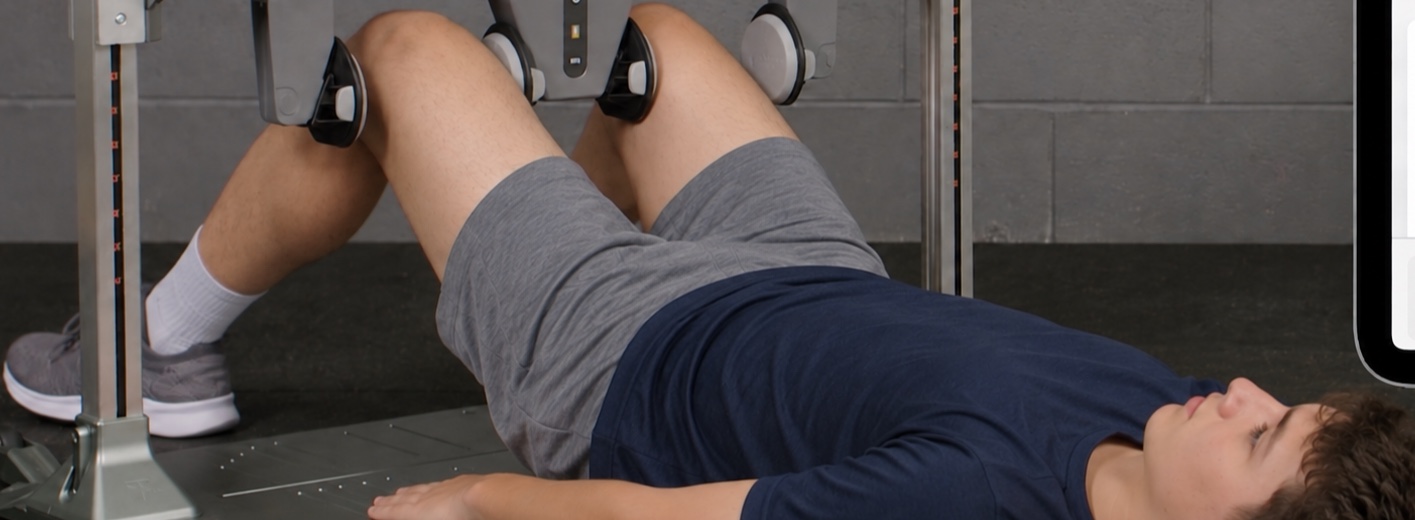
Adduction and abduction are tested separately because the ratio between them matters more than either value alone.

A youth athlete lying supine with knees against the padded load cells of a ForceFrame during hip adduction testing
Hip adduction, supine ForceFrame
A youth athlete seated with the shin against the ForceFrame pad during isometric knee extension testing
Knee extension, seated Same frame, reconfigured

System 03Speed and agility

Timing Gates

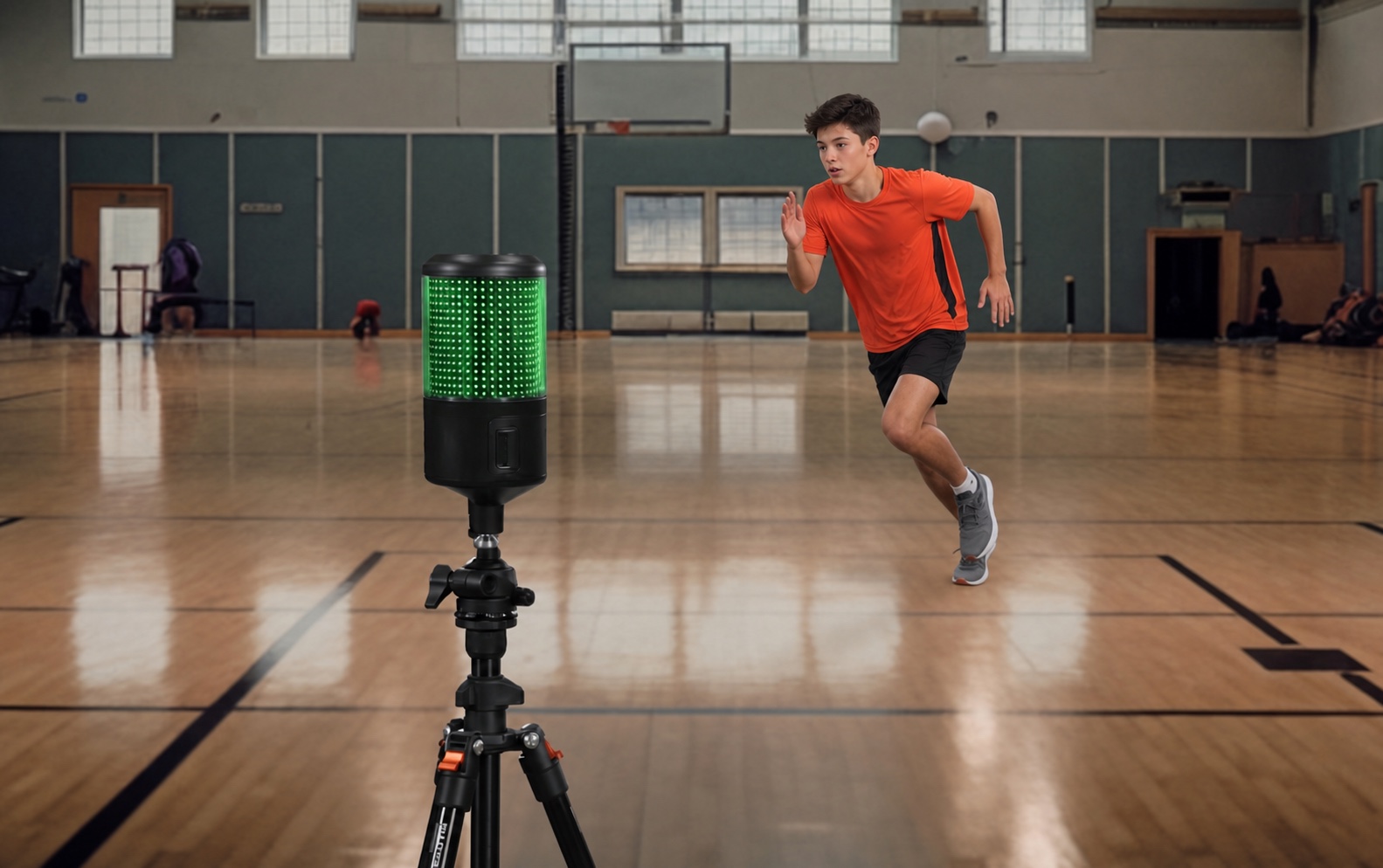
Professional timing technology that quantifies football-specific speed, acceleration and agility with elite precision. Split times turn one sprint into several answers about where an athlete gains and loses.

10 m sprint
Seconds
20 m sprint
Seconds
Acceleration
Split, 0 to 10 m
Change of direction
505 test, s
Reactive agility
Seconds
Decision speed
Reaction, ms

A stopwatch has a human in it. Gates do not, which is why a four hundredth of a second means something here.

A youth athlete accelerating past an electronic timing gate on a tripod
Twenty metre sprint with splits Timing Gates

Three systems. One athletic profile.

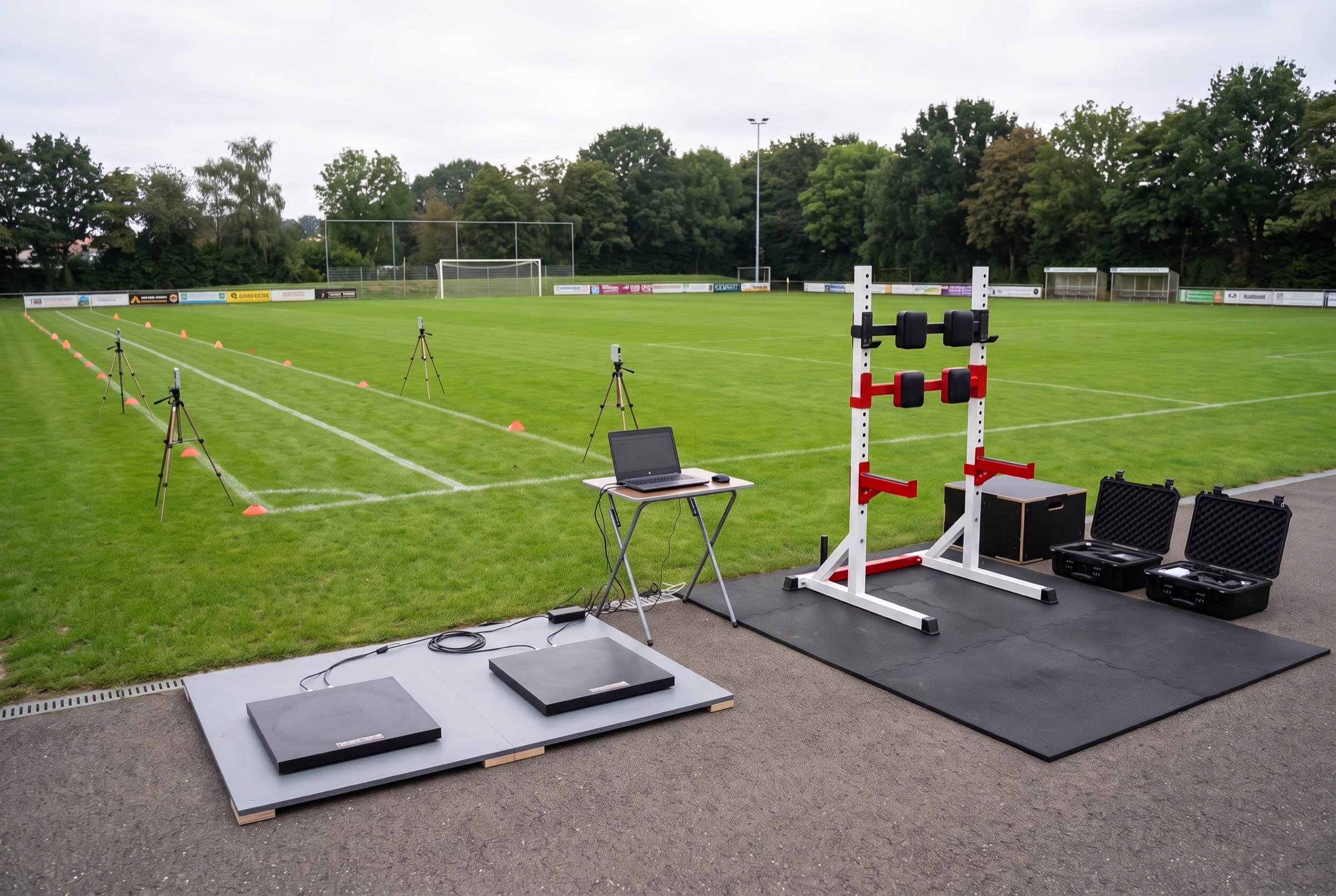
Every assessment combines force production, strength profiling and speed analysis to create a complete picture of athletic performance.

Run alone, each system answers a narrow question. Run together in one session, they explain each other: a slow ten metre split makes sense when the plates show low force and the frame shows a weak side.

›Force production, from the plates
›Strength profile, from the frame
›Speed and agility, from the gates
A performance testing setup laid out at the edge of a football pitch

Get on the plates

All three systems, one session, forty minutes. The report follows within 48 hours.